The "Dumb Phone" Renaissance: Why Thousands Are Ditching Smartphones for a Simpler Life
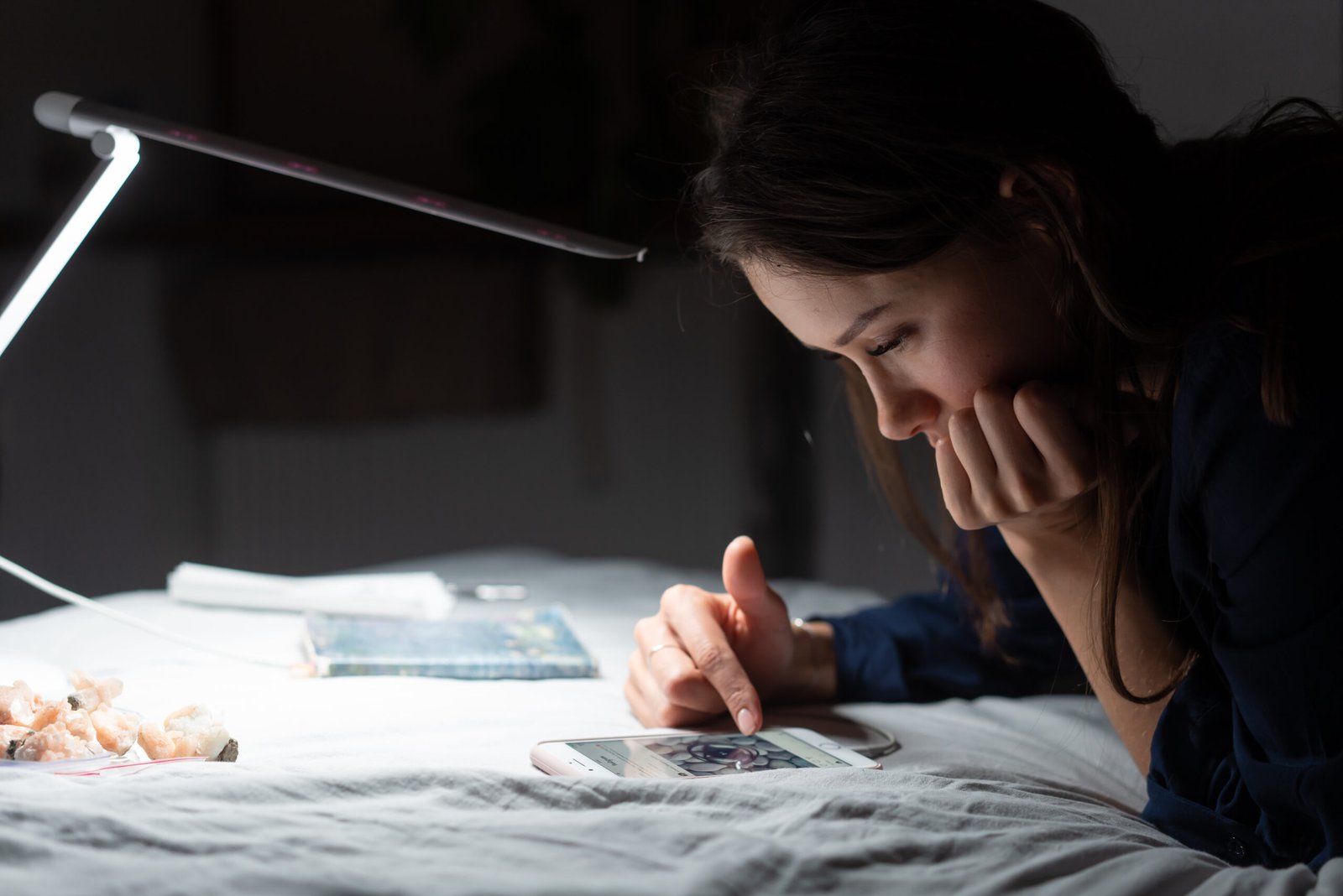
Discover how Dumb Phone Renaissance can transform your approach. Remember the last time you sat through an entire movie without checking your phone? Or had a dinner where everyone stayed present, engaged in actual conversation? For many of us, these moments have become rare—replaced by the endless pull of notifications, the dopamine hit of social media likes, and the unconscious habit of reaching for our pockets every few minutes.
But something interesting is happening. A growing movement of people are trading in their sleek iPhones and Androids for something that might seem counterintuitive in 2024: "dumb phones."
What Is the Dumb Phone Movement?: Dumb Phone Renaissance
The dumb phone renaissance isn’t about technology going backward—it’s about intentionality moving forward. Devices like the Light Phone II, Punkt MP02, Nokia 3310, and Sunbeam F1 are experiencing a surge in popularity among people who’ve had enough of digital overwhelm.
These minimalist phones strip away everything except the essentials: calls, texts, basic maps, and sometimes a music player or alarm clock. No Instagram. No email. No infinite scroll. Just communication, distilled to its purest form.
Sales tell the story. Light Phone reported a 150% increase in sales between 2021 and 2023. Google searches for "digital minimalism" and "smartphone detox" have skyrocketed. Reddit communities like r/dumbphones have grown to over 100,000 members, filled with people sharing their liberation stories.
Note: The user experiences shared below (Sarah, Jake, and Maya) are composite representations based on common themes from the dumb phone community, illustrating typical experiences rather than specific individuals.
Why People Are Making the Switch
1. Reclaiming Attention and Mental Clarity
Dr. Anna Lembke, psychiatrist and author of Dopamine Nation, explains that smartphones are essentially "digital slot machines" designed to hijack our brain’s reward systems. Every notification, like, and new post triggers a dopamine release, creating a cycle of addiction that’s hard to break.
Sarah, a 34-year-old marketing executive from Austin, describes her experience: "I didn’t realize how anxious my smartphone made me until I got rid of it. Within a week of switching to a Light Phone, my brain fog lifted. I could read books again. I could think deeply about problems without the constant urge to check something."
The benefits of digital minimalism extend beyond productivity. Research from the University of Texas found that merely having a smartphone nearby—even face-down and powered off—reduces cognitive capacity. We’re literally carrying around devices that make us less capable of deep thinking.
2. Present-Moment Awareness
Jake, a teacher from Portland, shares: "I used to be the dad scrolling at the playground while my kids played. Now with my Punkt phone, I’m actually watching them. I’m pushing them on swings. I’m having conversations I was too distracted to have before."
This theme repeats across dumb phone communities. Parents report better relationships with their children. Partners feel more connected. Friends notice when someone’s actually listening versus half-present, thumb hovering over a screen.
3. Breaking the Comparison Trap
Social media creates a highlight reel of everyone else’s lives, leading to unprecedented rates of anxiety and depression—especially among young people. A minimalist phone removes the infrastructure of comparison entirely. You can’t mindlessly scroll Instagram from a device that doesn’t have it.
The Reality: It’s Not All Easy
The transition isn’t seamless. Most smartphone detox stories include a difficult adjustment period.
Navigation challenges top the list of complaints. Without Google Maps always available, users must plan routes in advance or carry physical maps. Some opt for standalone GPS devices or—gasp—actually asking strangers for directions.
Two-factor authentication becomes complicated. Banking apps, work platforms, and social media accounts often require smartphone verification. Solutions include carrying an old smartphone (without service) just for codes, using authenticator apps on tablets, or switching to hardware security keys.
Social coordination changes too. Group chats become trickier when you can’t access WhatsApp or iMessage threads easily. Meetups require actual planning instead of "text me when you’re close."
Maya, a college student who made the switch, admits: "The first month was hard. I felt left out of group chats. I got lost driving to a friend’s house. But I adapted. Now I tell people to call me if they want to meet up. Old school, but it works."
Is a Dumb Phone Right for You?
The movement isn’t for everyone. Before making the leap, consider:
Your work requirements: Do you need email, Slack, or specific apps for your job? Some people opt for a "dumb phone for personal use, smartphone for work" hybrid approach.
Your social circles: Are your friends and family willing to adapt to calling you instead of texting? Will you feel isolated or liberated?
Your relationship with technology: Are you genuinely seeking less screen time, or are you hoping a new device will magically fix procrastination? The phone is a tool—the intention behind using it matters most.
A gradual approach works too: Try smartphone-free weekends first. Delete your most addictive apps. Use screen time limits. You don’t have to go cold turkey to benefit from digital minimalism.
The Middle Ground
Not ready to go fully analog? Consider these compromises:
- App blockers like Freedom or Screen Time can limit access to problematic apps
- Grayscale mode makes your smartphone screen less visually appealing
- Phone lockers or physical phone beds create separation between you and your device
- Feature phones for daily carry and a tablet for necessary apps kept at home
The Bottom Line
Mastering the dumb phone renaissance takes practice but delivers lasting results. The dumb phone renaissance isn’t about rejecting technology—it’s about choosing technology that serves us rather than exploits us. In an economy built on attention, reclaiming yours is a radical act.
As Cal Newport, author of Digital Minimalism, puts it: "The cost of a thing is the amount of what I will call life which is required to be exchanged for it, immediately or in the long run."
What are you exchanging your life for? If the answer leaves you unsatisfied, maybe it’s time to consider what a simpler phone could give back to you.
Related Articles
Explore more on digital wellness and mindful technology:
- Digital Minimalism 2.0: Reclaim Attention From AI – A complementary guide for managing modern technology
- Dopamine Detox 2.0: A Science-Backed Protocol – Reset your brain from smartphone addiction
- How to Extend Battery Life by Up to 40% – Optimize your device if you’re keeping your smartphone
- Slow Productivity: The Anti-Hustle Guide – A philosophy aligned with digital minimalism
- Revenge Bedtime Procrastination – How smartphones affect sleep and wellbeing
References & Further Reading
Authoritative sources on digital minimalism and smartphone addiction:
- Light Phone Official Website – The minimalist phone leading the dumb phone renaissance
- Cal Newport: Digital Minimalism – The foundational book on intentional technology use
- NIH: Smartphone Addiction and Mental Health – Peer-reviewed research on smartphone’s psychological impact
Meta Description: Discover why thousands are switching to dumb phones like Light Phone and Punkt. Learn the benefits of digital minimalism, real user experiences, and if a smartphone detox is right for you.
Read Time: 6 minutes