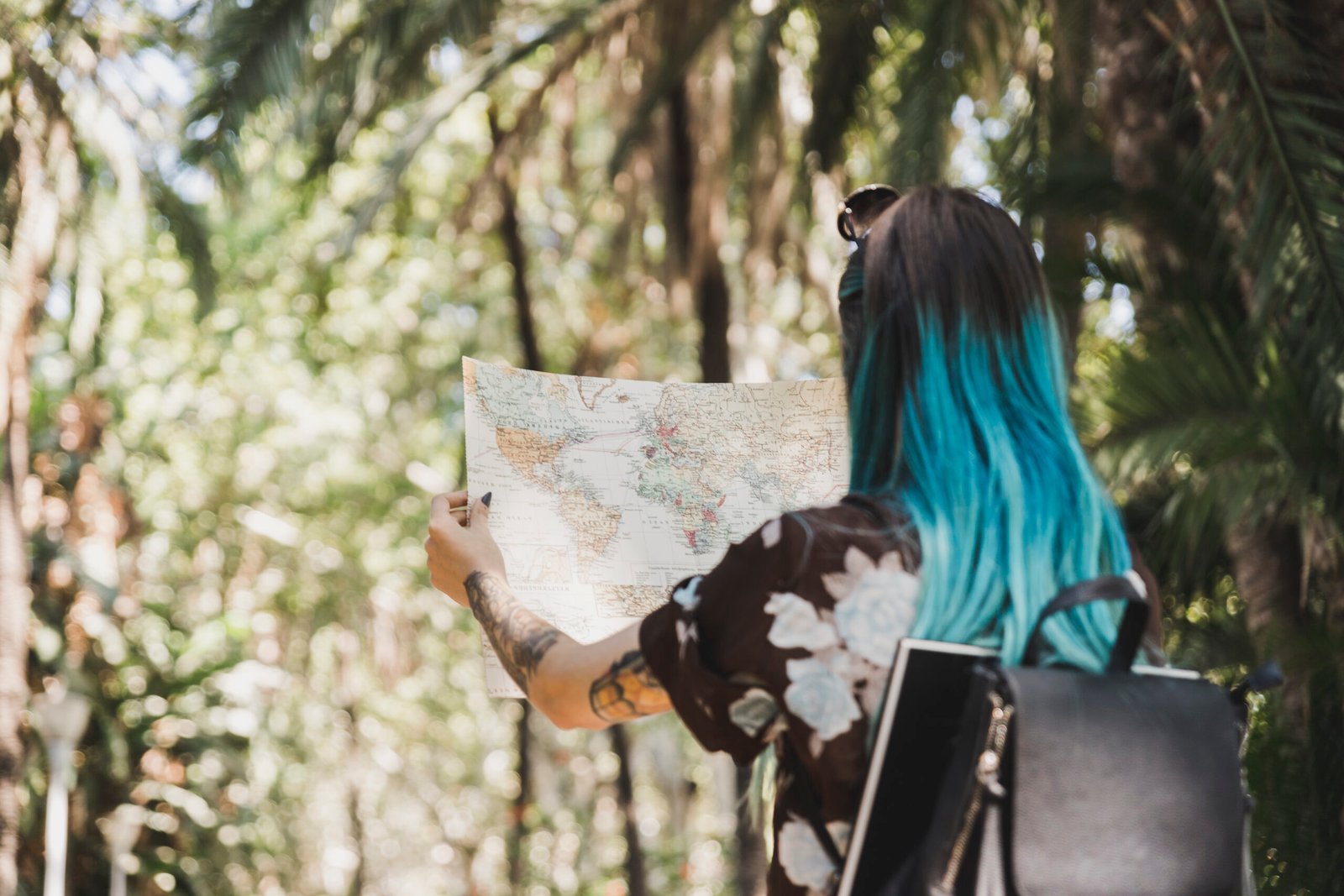
Slow Travel: The Anti-Tourist Movement
Discover how Slow Travel Anti can transform your approach. Reading Time: 8 minutes
The Great Travel Reset: Why We’re Done with Checklist Tourism: Slow Travel Anti
Remember the pre-pandemic travel frenzy? You’d book a long weekend in Paris, race from the Eiffel Tower to the Louvre, snap a selfie with the Mona Lisa, wolf down a croissant at a tourist-trap café, and fly home exhausted—only to post the highlight reel on Instagram and do it all again the next month.
That model is broken. Post-pandemic travelers are increasingly rejecting the “checklist tourism” mentality in favor of something deeper, richer, and surprisingly more affordable: slow travel.
The movement isn’t about doing less—it’s about experiencing more. It’s the difference between watching a city through a tour bus window and actually living in it, even if only for a week.
Slow Travel vs. The Tourist Rush: A Tale of Two Approaches
The Traditional Tourist Rush
| Aspect | Traditional Tourism | Slow Travel |
|---|---|---|
| Pace | 5-8 attractions per day | 1-2 meaningful experiences |
| Accommodation | Central hotel near landmarks | Apartment in a residential neighborhood |
|---|---|---|
| Food | Tourist-zone restaurants with picture menus | Markets, family-run spots, home cooking |
| Transport | Taxis, tour buses, Uber | Walking, public transit, bicycles |
| Budget | Higher (convenience premiums) | Lower (living like locals) |
| Souvenirs | Airport magnets, keychains | Skills, recipes, relationships |
| Stress Level | High (FOMO-driven) | Low (curiosity-driven) |
Traditional tourism treats destinations like amusement parks—scripted, sanitized, and designed for consumption. You’re a spectator, not a participant.
The Slow Travel Philosophy
Slow travel asks a different question: What would it feel like to live here?
This approach trades the adrenaline rush of “seeing it all” for the satisfaction of understanding something. You might not visit every museum, but you’ll know the name of your local baker. You won’t have 500 photos, but you’ll have one conversation that changes how you see the world.
The 7-Day Slow Travel Framework: A City-Agnostic Template
Here’s a replicable framework you can adapt to virtually any destination. The key is structure without rigidity—guidelines, not chains.
Day 1: Arrival & Neighborhood Mapping
Morning: Check into your accommodation (preferably an apartment or local guesthouse in a residential neighborhood, not the tourist center).
Afternoon: Walk. No destination, no maps, just wandering. Notice where locals shop, where kids play, where elderly people gather. These are the heartbeats of a place.
Evening: Find the nearest grocery store or market. Buy ingredients for breakfast. Cook your first meal “at home.”
Goal: Establish your temporary home base and begin feeling like a resident, not a visitor.
Day 2: The Tourist Thing (Yes, Really)
Do the famous thing. Visit the iconic museum, see the landmark, take the cliché photo. But do it slowly.
- Read the plaques.
- Sit on a bench and people-watch.
- Buy coffee at the museum café and write in your journal.
- Notice what the guides don’t mention.
Key: You’re not checking a box; you’re earning context for everything that follows.
Day 3: Local Immersion Day
Morning: Visit the local market (not the tourist market). Observe what’s in season. Notice what people actually buy.
Afternoon: Take a class—cooking, language, craft, dance. Whatever reflects local culture. Platforms like Airbnb Experiences, Viator, or local community centers work well.
Evening: Cook with what you bought at the market. If your accommodation allows, invite a neighbor or fellow traveler.
Day 4: The “Third Place” Philosophy
Sociologist Ray Oldenburg coined the term “third place”—somewhere that’s neither home nor work, where community naturally forms. Every city has them:
- Cafés where regulars know each other’s names
- Parks where people play chess or cards
- Libraries with local history sections
- Pubs or tea houses with afternoon regulars
Spend 4-6 hours in one of these places. Bring a book. Order slowly. Smile at people. See what happens.
Day 5: Day Trip to a Nearby Town
Not to tick off another destination, but to understand the region. Small towns reveal what the capital hides. Notice the differences in accent, architecture, food, and pace.
Take local transit (bus, regional train) rather than organized tours. The journey is the experience.
Day 6: The “Yes” Day
Say yes to unexpected invitations. That street festival you stumbled upon? Stay. The local who invited you to their shop for tea? Go. The free walking tour led by a student? Join.
This is where the magic happens—when your plan meets the city’s plan.
Day 7: Integration & Reflection
Morning: Return to your favorite spot from the week—the café, the park bench, the bakery.
Afternoon: Write a letter (even if unsent) to yourself about what you learned. What surprised you? What challenged your assumptions? What will you carry forward?
Evening: Cook a meal that combines something you learned here with something from home. Fusion as metaphor.
Connecting With Locals: The Art of Showing Up
The biggest barrier to authentic connection isn’t language—it’s approachability. Here are practical ways to bridge the gap:
1. Learn Five Phrases
Not “Where is the bathroom?”—everyone knows those. Learn:
- “What do you recommend?”
- “That’s delicious”
- “How do you say [word]?”
- “What is this called?”
- “Thank you for your patience”
These phrases signal curiosity and humility.
2. Follow the “Regular” Rule
Return to the same café, bar, or shop 2-3 times. By the third visit, you’re no longer a random customer—you’re becoming a regular. Conversations will start organically.
3. Ask Questions You Actually Want Answered
Instead of “What’s your favorite restaurant?” (boring, rehearsed), try:
- “Where do you go when you need to think?”
- “What food here reminds you of childhood?”
- “What’s something tourists get wrong about this city?”
4. Use Technology Strategically
- Meetup.com for expat/local interest groups
- Couchsurfing hangouts (even if not staying with hosts)
- Language exchange apps like Tandem or HelloTalk for local meetups
- Instagram location tags to find neighborhood accounts (not influencers—the people who actually live there)
5. Be a Good Guest
Offer something. Teach a card game. Share a recipe. Help someone practice English. Connection flows both ways.
The Budget Surprise: Why Slow Travel Is Often Cheaper
Counterintuitive but true: doing less often costs less.
Where You Save
Accommodation: Weekly apartment rentals on Airbnb or Vrbo typically cost 30-50% less per night than hotels. Monthly stays often include discounts of 20-40%.
Food: A week of cooking 60% of your meals costs a fraction of restaurant dining. Local markets offer better quality at lower prices than tourist restaurants.
Transport: One weekly transit pass beats daily taxi rides. Walking is free.
Activities: Free walking tours, community events, parks, markets, and wandering cost nothing. Museums often have free or discounted entry days.
Mental Health: Priceless. Rushing creates expensive mistakes—missed reservations, overpriced convenience purchases, stress eating.
Sample Weekly Budget Comparison (Mid-Range European City)
| Category | Traditional Tourist | Slow Traveler |
|---|---|---|
| Accommodation (7 nights) | $1,050 (hotel) | $560 (apartment) |
| Food | $600 (restaurants) | $280 (markets/cooking) |
| Transport | $350 (taxis/tours) | $70 (weekly transit pass) |
| Activities | $400 (paid attractions) | $150 (one class + museum) |
| Total | $2,400 | $1,060 |
Savings: $1,340—enough to extend your trip another week or splurge on one unforgettable experience.
Integrating Remote Work: The Digital Nomad Advantage
If you have location flexibility, slow travel becomes even more powerful. Here’s how to integrate work without killing the experience:
Choose Your Battles
Don’t: Try to work 8 hours and explore 6 hours daily. You’ll do both badly.
Do: Work 3-4 focused hours in the morning, then explore. Or alternate full work days with full exploration days.
The “Home Base” Strategy
Book accommodations with reliable WiFi (verify with hosts—”WiFi” means different things in different countries). Look for:
- Dedicated workspace or desk
- Natural light for video calls
- Proximity to a co-working space or café with good work environment
Local Integration Through Work
Co-working spaces abroad are goldmines for local insights. You’ll meet:
- Local freelancers who know the hidden gems
- Other slow travelers to share discoveries
- Community managers who organize events
Many cities now have “nomad visas” specifically designed for remote workers staying 3-12 months: Portugal, Spain, Estonia, Costa Rica, and more.
Time Zone Hacks
If your team is behind you (US-based, traveling Europe/Asia), your mornings are free. If ahead (US-based, traveling Latin America), your afternoons open up. Structure exploration around your calls.
The Real Souvenir: A Changed Perspective
SMastering slow travel anti takes practice but delivers lasting results. low travel isn’t a productivity hack or budget strategy—though it delivers both. It’s a philosophical shift from consumption to connection.
When you slow down, you notice things the checklist tourist misses: the way light hits a particular street at 4 PM, the rhythm of conversation in a neighborhood bar, the pride in a shopkeeper’s eyes when you ask about their craft.
You come home not with jet lag and blurry photos, but with new recipes, ongoing friendships, and a slightly expanded understanding of what it means to be human in different corners of the world.
The anti-tourist movement isn’t about rejecting tourism—it’s about reclaiming travel as a transformative experience rather than a consumable product.
Slow down. Stay curious. Live locally, even temporarily.
The world will still be there tomorrow. And you’ll see it more clearly when you do.
Ready to slow travel? Start small. Pick one city. Stay one week. Live like you belong there. The rest will follow.
Have you tried slow travel? What unexpected discoveries did you make when you stopped rushing? Share in the comments below.
Related Articles
Explore more insights from our blog:
- Slow Productivity: The Anti-Hustle Guide to Doing More — Apply slow principles to work
- The 15-Minute Evening Reset: Tiny Habits, Big Impact — Build restorative evening routines
- Digital Minimalism 2.0: Reclaim Attention From AI — Travel with intention, not distraction
- Mediterranean Bowls: 5-Minute Meals for Busy Days — Quick meals for busy travelers
References & Further Reading
Authoritative sources for deeper exploration:
- National Geographic: Slow Travel Movement — Overview of the slow travel philosophy
- World Tourism Organization: Sustainable Travel — UN guidelines for sustainable tourism practices
- BBC Travel: The Art of Slow Travel — Cultural exploration of slow travel benefits