The Slow Productivity Movement: Why Working Less Gets You More
Estimated read time: 8 minutes
The launch of Cal Newport’s new MasterClass, “Rebuild Your Focus & Reclaim Your Time,” has catapulted his “Slow Productivity” philosophy into mainstream consciousness. For burned-out professionals drowning in endless to-do lists, this anti-hustle approach offers something radical: permission to slow down—and actually get more done.
In a world obsessed with 5 AM wake-up routines, #riseandgrind hashtags, and productivity hacks that promise to squeeze every minute for maximum output, Slow Productivity feels almost rebellious. But it’s not laziness. It’s not giving up. It’s a scientifically-backed reimagining of how sustainable, meaningful work actually happens.
What Is Slow Productivity?
Cal Newport, computer scientist and bestselling author of Deep Work and So Good They Can’t Ignore You, defines Slow Productivity as a philosophy built on three core principles:
1. Doing fewer things — Working on a smaller number of projects at any given time
2. Working at a natural pace — Accepting that productivity fluctuates and not demanding peak intensity year-round
3. Obsessing over quality — Pouring energy into what matters rather than optimizing for quantity
This isn’t just feel-good advice. Newport’s approach emerges from observing how elite performers—from Nobel laureates to elite athletes—actually produce their best work. The pattern is clear: they work intensely in bursts, embrace rest as part of the process, and protect their attention fiercely.
The Hustle Culture Trap
Traditional productivity culture tells us that busyness equals worthiness. If you’re not juggling multiple projects, answering emails at midnight, and working weekends, you’re not trying hard enough. This “hustle culture” has dominated professional life for the past two decades, glorifying overwork and equating exhaustion with success.
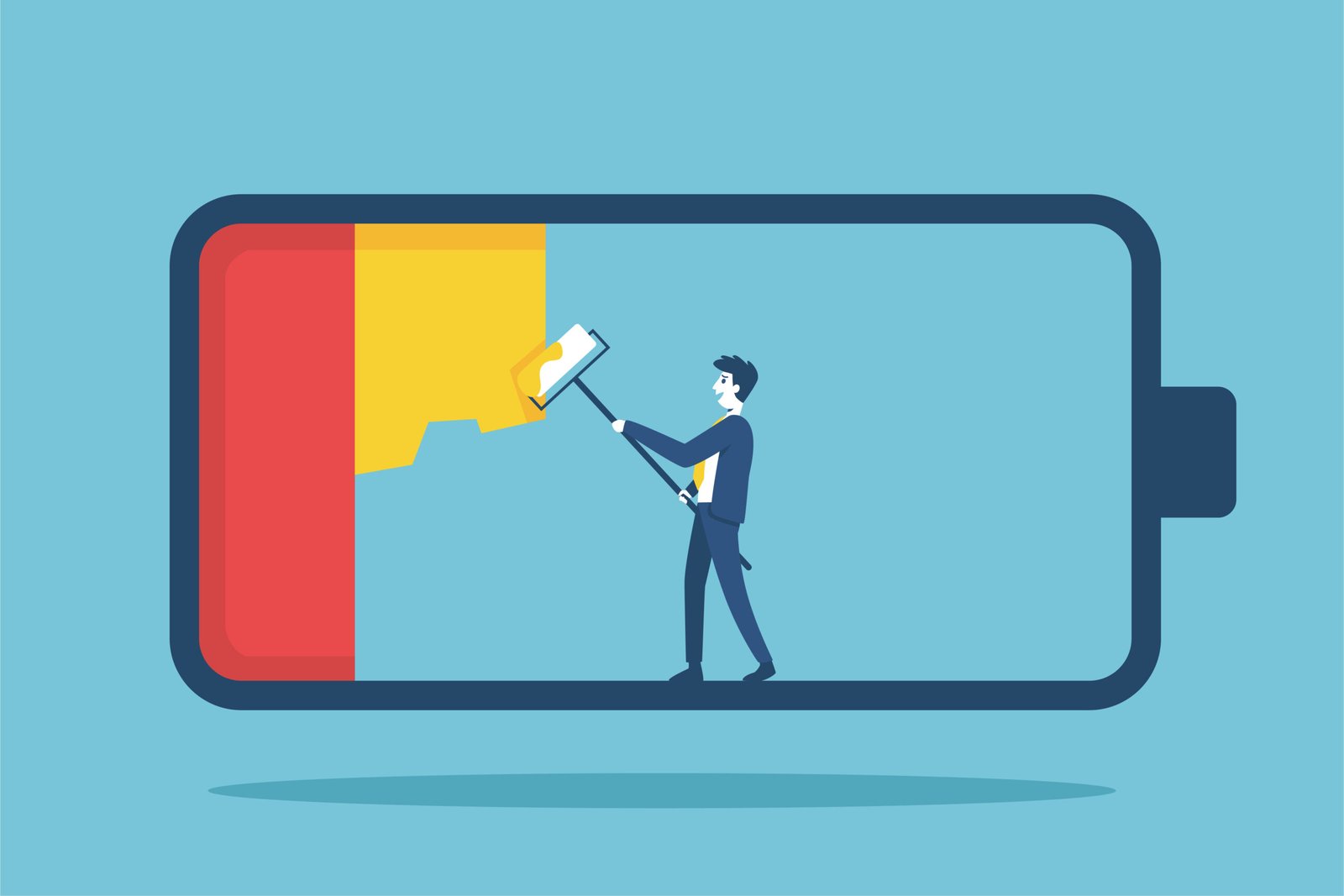
The cost has been devastating. According to recent workplace studies, 76% of employees experience burnout at least sometimes, with remote workers reporting even higher rates of exhaustion. The always-on economy has blurred boundaries between work and life until “work-life balance” feels like a cruel joke.
Traditional productivity methods compound this problem. Time-blocking, inbox zero, and efficiency optimization assume that more output = more value. But this ignores a fundamental truth: Not all work is equal. A distracted hour answering emails creates far less value than 30 minutes of focused, deep work on your most important project.
Slow Productivity rejects this false economy. It asks: What if working smarter means working less on the right things?
5 Evidence-Based Slow Productivity Strategies
Ready to escape the hustle trap? Here are five concrete techniques to implement Slow Productivity in your own life:
1. Practice Extreme Project Minimization
Newport recommends working on no more than 3-5 active projects at once. This sounds terrifying to someone juggling 15+ responsibilities, but the constraint forces clarity.
How to implement:
- List every project or responsibility you’re currently handling
- Rank them by importance and impact
- Pause or delegate the bottom 50%
- Focus your full attention on what remains
Research on attention residue shows that even thinking about unfinished tasks reduces cognitive capacity. By closing the open loops, you free up mental bandwidth for what actually matters.
2. Embrace Seasonal Work Rhythms
Traditional productivity demands consistent high performance year-round. Slow Productivity recognizes that humans aren’t machines—we have natural cycles of high and low energy.
How to implement:
- Identify your peak performance periods (morning person? night owl?)
- Schedule demanding deep work during high-energy windows
- Protect low-energy times for administrative tasks, rest, or creative incubation
- Build in “slack seasons” where you intentionally reduce commitments
Elite performers from writers to executives report that accepting these rhythms—rather than fighting them—leads to better output and sustained career longevity.
3. Implement a “Shutdown Ritual”
One of Newport’s most practical techniques is the shutdown ritual—a consistent end-of-work routine that signals your brain that the workday is complete.
How to implement:
- 15 minutes before ending work, review your task list
- Capture any open items in a trusted system
- Review tomorrow’s calendar
- Verbally or mentally declare “work complete”
- Physically close your laptop or leave your workspace
This practice combats the “always on” anxiety that plagues remote workers and prevents the cognitive drain of work spilling into personal time.
4. Replace Busyness with Deep Work Blocks
Not all hours are created equal. Two hours of uninterrupted, focused work often produce more valuable output than eight hours of fragmented attention.
How to implement:
- Schedule 90-120 minute blocks of uninterrupted time
- Turn off all notifications and close unnecessary tabs
- Work on your single most important task
- Track deep work hours, not total hours worked
The key insight: Quality of attention matters more than quantity of time. Protect your deep work like your career depends on it—because it does.
5. Practice “Strategic Laziness”
This might be the most controversial Slow Productivity principle: sometimes, the best thing you can do is nothing. Strategic laziness means deliberately choosing not to optimize, improve, or expand certain areas of work.
How to implement:
- Identify areas where “good enough” truly is good enough
- Resist the urge to over-engineer solutions
- Decline opportunities that don’t align with your core priorities
- Accept that some problems solve themselves if you wait
As Newport argues, the ability to do nothing—to resist the urge to constantly be productive—is often what separates sustainable high performers from burned-out strivers.
Slow Productivity in Action: Real-World Examples
The CEO who cut meetings in half: One tech executive implemented Slow Productivity by reducing his meeting load from 35 hours weekly to 12 hours. He used the freed time for strategic thinking and saw his company’s growth rate increase 40% in six months. The constraint forced his team to make faster decisions without him.
The writer who embraced seasons: A bestselling author abandoned the “write every day” advice and instead works in 3-month focused sprints followed by 1-month recovery periods. Her output increased, and she reported feeling creatively renewed rather than depleted.
The freelancer who said no: A marketing consultant started turning down 60% of inbound opportunities to focus on three anchor clients. Her income increased by 30% while her work hours decreased by 20%. Quality of work and client satisfaction both improved dramatically.
The remote team that slowed down: One distributed software company implemented “no-meeting Wednesdays” and mandatory 4-day weeks during summer months. Employee satisfaction scores doubled, and their shipping velocity actually improved as engineers gained uninterrupted focus time.
These aren’t anomalies—they’re the predictable results of aligning work with how human brains actually function.
“But I Don’t Have Time to Slow Down”
This is the most common objection to Slow Productivity, and it’s understandable. When you’re drowning, the idea of swimming more slowly seems insane.
Here’s the counterintuitive truth: You don’t have time NOT to slow down.
Hustle culture creates a doom loop: overwork leads to exhaustion, which reduces the quality of your work, which creates more problems to fix, which requires more overwork. Breaking this cycle requires a leap of faith—a temporary slowdown that creates space for sustainable systems.
Start small. Pick ONE strategy from this article and implement it for two weeks. Track not just your output, but your energy levels, creativity, and satisfaction. Most people find that even modest slowdowns produce disproportionate improvements in what actually matters.
Remember: The goal isn’t to do nothing. It’s to do what matters, at a pace you can sustain, for a career you can enjoy.
The Future of Work Is Slow
CMastering productivity takes practice but delivers lasting results. al Newport’s MasterClass arriving in the mainstream conversation isn’t a coincidence. It reflects a collective awakening. After years of hustle culture’s wreckage—burnout epidemics, quiet quitting movements, mass resignations—professionals are hungry for a better way.
Slow Productivity isn’t about lowering ambitions. It’s about recognizing that sustainable excellence requires sustainable methods. The most successful people throughout history weren’t the ones who worked the most hours—they were the ones who worked most intelligently, protected their attention most fiercely, and gave themselves permission to rest most unapologetically.
The anti-hustle revolution is here. And paradoxically, slowing down might be the fastest way to get where you actually want to go.
Ready to rebuild your focus? Start by choosing just one strategy from this article to implement this week. Your future, less-burned-out self will thank you.
Related Articles
Explore more insights from our blog:
- The 5 Minute Rule: Defeat Procrastination by Starting Small — Overcome procrastination with small steps
- The 2-Minute Rule: Micro-Habits That Change Lives — Tiny habits, big results
- Dopamine Detox 2.0: A Science-Backed Protocol — Focus better by resetting your brain
- Revenge Bedtime Procrastination: Why We Stay Up Late — Understand and fix sleep habits
References & Further Reading
Authoritative sources for deeper exploration:
- Cal Newport’s Slow Productivity — Official resource from the creator of the concept
- American Psychological Association: Burnout — Professional insights on workplace burnout prevention
- Harvard Business Review: The Case for Slow Productivity — Business perspective on sustainable work practices