
Impulse buying happens when you purchase things without planning or real need. It is often driven by emotions, not logic. To stop impulsive purchasing, you must understand your triggers and build better habits.
In today’s fast-moving global lifestyle, emotional spending is very common. From online deals to social media ads, temptations are everywhere. However, with the right strategies, you can control your spending and protect your finances.
What Is Impulse Buying and How Does It Affect Your Daily Life?
Impulse buying is the act of making quick, unplanned purchases. These decisions usually happen without careful thinking. Over time, this behavior becomes a habit.
It affects your finances, mental health, and long-term goals. Small purchases may seem harmless at first. However, they add up quickly and impact your savings.
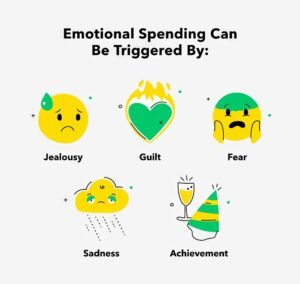
What Is Impulsive Shopping and Why Do People Fall Into It?
Impulsive shopping happens when emotions drive your buying decisions. People shop to feel better or reduce stress. This creates a temporary sense of happiness.
However, that feeling does not last long. After some time, regret replaces excitement. This cycle continues unless you break the pattern.
Why Do Unplanned Purchases Feel So Rewarding?
Unplanned purchases trigger dopamine in your brain. This chemical creates feelings of pleasure and reward. That is why shopping can feel addictive.
Firstly, your brain seeks instant gratification. Secondly, discounts and offers increase urgency. Therefore, you end up making quick decisions.
In many cases, emotional spending is linked to mental overload. When your brain is tired, it makes poor decisions. Learn how this works in detail in our guide on Decision Fatigue.
What Is Stress Shopping and How Can You Recognize It?
Stress shopping happens when you buy things to cope with emotions. It can be triggered by anxiety, boredom, or sadness. This behavior is very common worldwide.
Signs of stress shopping include:
- Buying items you do not need
- Feeling guilty after shopping
- Shopping during emotional lows
- Using shopping as a reward
In cities like Mumbai, London, and New York, busy lifestyles increase stress levels. As a result, people often turn to shopping for relief.
How Do Overspending Habits Develop Over Time?
Overspending habits form slowly through repeated behavior. Small, frequent purchases become a routine. Over time, they turn into a pattern.
Moreover, digital payments make spending feel easy and invisible. You do not feel the immediate impact of money leaving your account. This increases the risk of overspending.
What Is Last-Minute Buying and Why Is It Risky?
Last-minute buying happens when you rush decisions without planning. It often occurs during sales, travel, or emergencies. This leads to poor choices.
For example, travellers worldwide often overspend during last-minute bookings. This happens due to urgency and limited time. Planning ahead helps avoid this issue.
How Does Overspending Habits Impact Your Savings?
The impact of impulse buying on savings is significant. Even small expenses reduce your ability to save. Over time, this affects your financial stability.
Here’s how it impacts you:
- Reduces emergency savings
- Delays financial goals
- Increases unnecessary expenses
- Creates financial stress
Most importantly, it prevents long-term wealth creation. Therefore, controlling spending is essential.
What Psychological Triggers Cause Impulsive Shopping?
Understanding triggers helps you control spending better. Emotional and environmental factors both play a role.
Common triggers include:
- Stress and anxiety
- Social media influence
- Limited-time offers
- Peer pressure
Similarly, global trends show that online shopping increases impulsive behavior. People around the world face this challenge daily.
In a tech-driven world, digital tools influence spending habits. Algorithms suggest products based on your behavior. To understand how technology works behind the scenes, explore Quantum Cryptography and its role in secure digital systems.
How Can You Stop Impulse Buying Effectively?
Stopping impulse buying requires awareness and discipline. You must build habits that support mindful spending.
Practical steps to follow:
- Wait 24 hours before making any purchase
- Create a monthly budget and stick to it
- Avoid browsing shopping apps unnecessarily
- Use cash instead of cards when possible
Firstly, awareness is key. Secondly, consistency builds long-term control. Therefore, practice these habits daily.
What Are the Best Strategies to Control Emotional Spending?
Controlling emotional spending requires a deeper approach. You must address the root cause, not just the behavior.
Effective strategies include:
- Identify emotional triggers
- Replace shopping with healthy activities
- Track your spending regularly
- Set clear financial goals
For instance, instead of shopping, try exercise or journalism. These habits improve mental well-being.
How Can You Build Better Financial Discipline?
Financial discipline is the foundation of smart spending. It helps you make better decisions consistently.
Tips to build discipline:
- Set short-term and long-term goals
- Automate savings every month
- Review expenses weekly
- Avoid unnecessary subscriptions
Moreover, discipline improves confidence and reduces stress. It creates a sense of control over your finances.
Can Mindfulness Help Reduce Impulsive Shopping?
Yes, mindfulness is a powerful tool for controlling spending. It helps you become aware of your thoughts and actions.
Simple mindfulness practices include:
- Deep breathing before making purchases
- Asking yourself if you really need the item
- Pausing before clicking “buy now”
- Practicing gratitude for what you already have
In other words, mindfulness slows down your decision process. This leads to better choices.
What Role Does Lifestyle Play in Spending Behavior?
Your lifestyle directly affects your spending habits. Busy and stressful routines increase impulsive behavior. Balanced routines reduce it.
For example, people in fast-paced global cities often spend more. This includes places like Dubai, Singapore, and Mumbai. Slower lifestyles encourage mindful decisions.
How Can You Create a Long-Term Plan to Avoid Last-Minute Buying?
A long-term plan ensures lasting results. It helps you stay consistent and focused.
Build your plan with these steps:
- Define your financial priorities
- Track your monthly spending
- Reduce exposure to ads and promotions
- Surround yourself with financially aware people
Above all, focus on progress, not perfection. Small changes create big results over time.
What Do Experts Say About Stress Shopping Behavior?
Experts agree that impulse buying is driven by psychology. It is not just about money but emotions. Understanding behavior is the key to change.
According to research from Harvard University, emotional triggers strongly influence spending decisions.
Therefore, combining awareness with practical strategies is essential. This creates long-term improvement.
How Can You Take Control of Your Spending?
Impulse buying is a common challenge in modern life. However, it is manageable with the right approach. By understanding your triggers, you can make better decisions.
At Wire Synapse, we focus on practical insights for everyday life. From self-help to technology, our content helps you grow. For more useful tips, explore our latest posts and stay informed.
Want more tips like this? Head to Wire Synapse and take control of your lifestyle today.