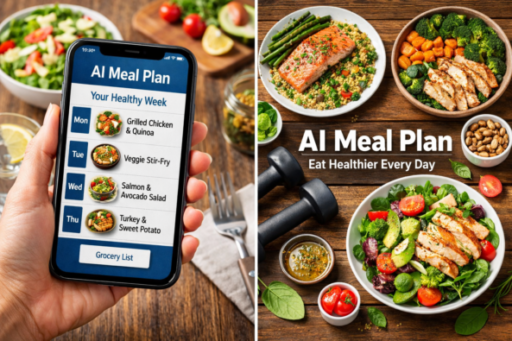
Eating healthy every day often feels difficult. Busy schedules, travel, and endless food choices make planning hard. An AI Meal Plan helps simplify this process by using artificial intelligence to suggest meals based on your goals, diet, and lifestyle. In simple terms, it uses smart algorithms to recommend balanced meals so you can eat healthier with less effort.
Many people worldwide are now turning to technology for daily wellness. From fitness apps to smart kitchen tools, digital solutions are shaping healthier habits. Platforms like Wire Synapse explore these trends and explain how technology can improve everyday life. In this guide, we’ll explore how AI meal planning works and whether it truly helps you eat better.
AI Meal Plan: How Smart Technology Is Changing Meal Planning
An AI Meal Plan uses artificial intelligence to create structured meal suggestions. It analyzes factors such as dietary preferences, calorie goals, allergies, and lifestyle habits. Based on this information, the system generates daily or weekly meal ideas.
Unlike traditional meal plans, AI tools constantly adapt. If your goals change, the recommendations adjust automatically. For example, someone training for a marathon will get different meals than someone trying to lose weight.
This technology is becoming popular globally. From students in Mumbai to remote workers in London, many people use AI to simplify healthy eating.
Technology is changing everyday routines. For example, secure tools like Biometric Authentication are replacing traditional passwords for better digital security. Similarly, smarter lifestyle choices often follow the idea of Strategic laziness—working smarter instead of harder. AI meal planning reflects this same philosophy.
AI Meal Planner: How It Works in Real Life
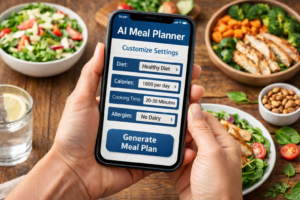
An AI meal planner typically starts by asking a few simple questions. These may include your age, diet preference, fitness goals, and cooking time.
Once the information is entered, the system analyzes thousands of recipe combinations. It then builds a meal plan that balances nutrients, calories, and variety.
For example, a professional working long hours might receive quick meal suggestions. Meanwhile, a homemaker planning family meals may get balanced weekly menus.
Many AI planners also generate grocery lists automatically. This makes shopping faster and prevents food waste.
AI Weekly Meal Plan: Simplifying Your Weekly Routine
A structured AI weekly meal plan can remove daily stress around food decisions. Instead of deciding every morning what to cook, you already have a balanced weekly guide.
The system ensures meals contain proper nutrients. Proteins, healthy fats, and carbohydrates are distributed across the week.
Busy professionals often benefit the most from this approach. Digital nomads traveling across Europe or Asia can also use AI tools to adapt meals based on local ingredients.
For example, someone living in Tokyo might see different recipes compared to someone living in New York. AI adjusts suggestions based on regional food trends and availability.
AI Meal Plan for Beginners: Getting Started Easily
If you are new to healthy eating, an AI meal plan for beginners is a great starting point. It removes confusion around calories, portion sizes, and food combinations.
Many beginners struggle with questions like:
What should I eat for breakfast?
How many calories should dinner contain?
AI meal planners answer these questions automatically. They suggest meals that fit your health goals while keeping preparation simple.
Beginners can also learn nutrition basics over time. After following a plan for a few weeks, many people naturally start making better food choices.
AI Healthy Meal Plan: Building Better Daily Habits
An AI healthy meal plan focuses on balanced nutrition rather than extreme dieting. It helps users build sustainable eating habits.
The plan often includes:
- Whole grains
- Lean proteins
- Fresh vegetables
- Healthy fats
Instead of strict restrictions, the focus remains on balance. For instance, occasional treats are included to maintain realistic habits.
Global health trends show people prefer sustainable diets. From Mediterranean diets in Europe to plant-based meals popular in cities like San Francisco and Berlin, balanced eating is becoming a worldwide movement.
AI tools simply make these habits easier to maintain.
AI Personalized Meal Plan: Designed for Your Lifestyle
One of the biggest advantages is the AI personalized meal plan feature. Everyone has different health goals and dietary needs.
Some people follow vegetarian or vegan diets. Others avoid gluten or dairy. AI meal planning adapts to these preferences instantly.
The system also adjusts based on lifestyle patterns. For example:
- Travelers may get portable meal suggestions.
- Students may receive budget-friendly recipes.
- Parents may see family-friendly dishes.
This personalization makes the plan practical and easy to follow.
AI Meal Plan for Fitness Goals
Fitness enthusiasts often use an AI meal plan for fitness goals to optimize nutrition. Diet plays a major role in muscle growth, energy levels, and recovery.
AI tools can calculate daily calorie needs based on activity levels. A runner, weightlifter, and yoga practitioner all require different nutrient ratios.
For example:
- Athletes may receive high-protein meals.
- Weight-loss plans focus on calorie control.
- Endurance athletes may see carb-focused meals.
These targeted meal suggestions help improve performance and recovery.
Benefits of Using AI for Meal Planning
AI-powered meal planning offers several clear advantages.
1. Saves Time
Planning meals every day takes effort. AI generates instant suggestions.
2. Improves Nutrition
Balanced nutrient distribution helps maintain a healthy diet.
3. Reduces Food Waste
Smart grocery lists prevent buying unnecessary ingredients.
4. Encourages Healthy Habits
Consistent planning builds long-term dietary discipline.
5. Adapts to Your Lifestyle
Meal plans change when your schedule or goals change.
These benefits explain why AI nutrition tools are growing globally.
Potential Limitations of AI Meal Plans
Despite the benefits, AI meal planning has a few limitations.
First, AI suggestions depend on the data provided. Incorrect information may lead to inaccurate recommendations.
Second, some people prefer intuitive cooking instead of structured plans. AI may feel restrictive to them.
Third, not all apps consider cultural food traditions. People in India, Europe, and Latin America have diverse cuisines.
However, most modern AI planners are improving rapidly. Many now include global recipe databases and customizable options.
Tips for Using AI Meal Planning Successfully
To get the best results, follow a few simple practices.
Be honest with your preferences.
Accurate information improves recommendations.
Review the meal plan weekly.
Adjust meals according to changing schedules.
Use it as guidance, not a strict rule.
Flexibility keeps the habit sustainable.
Combine AI suggestions with fresh ingredients.
Local produce improves nutrition and taste.
When used correctly, AI becomes a helpful daily assistant.
The Future of AI in Healthy Living
AI technology is transforming many aspects of daily life. From smart homes to personalized fitness apps, digital tools are shaping healthier lifestyles.
Meal planning is just one example of this shift. In the future, AI may connect directly with wearable devices. Your smartwatch could track activity levels and adjust meal suggestions instantly.
Imagine finishing a long run in Paris or Mumbai. Your app could immediately recommend a recovery meal with the right nutrients.
Global innovation continues to move in this direction.
Final Thoughts
So, can an AI Meal Plan really help you eat healthier every day?
For many people, the answer is yes. AI simplifies meal decisions, improves nutrition balance, and adapts to personal goals. It turns complex diet planning into a simple daily routine.
However, the most effective approach combines technology with mindful eating habits. AI should guide your choices, not replace your judgment.
At Wire Synapse, we explore how technology intersects with lifestyle, health, and personal growth. AI meal planning is one example of how innovation can improve everyday habits.
If you enjoy exploring topics like wellness, travel, technology, and productivity, our blog offers insights designed for modern readers worldwide.
Want more tips like this? Head to our homepage and explore the latest posts from Wire Synapse.